The Magic of High Frequency Words
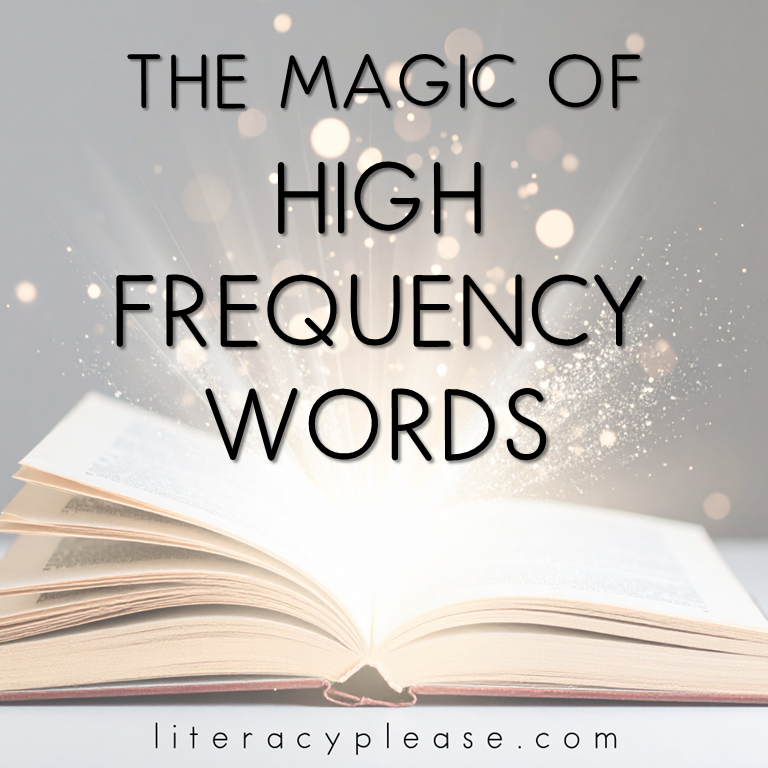
High frequency words are the glue that holds reading and writing together. They allow students to read and write with confidence. They give young readers

High frequency words are the glue that holds reading and writing together. They allow students to read and write with confidence. They give young readers

If the words “writing rubric” make you think of complicated checklists and hours of grading, I’ve got good news—you can throw that stress out the

Looking for a fun, hands-on way to introduce rubrics in your elementary classroom? One that makes kids actually excited to talk about expectations and quality

When a first grader hands you a story that says, “The cat ran,” you might find yourself thinking, “How can I help them say more?”

Teaching writing in a primary classroom can get a little messy. Between sharpening pencils, passing out writing paper, answering the classic “How do you spell

Let’s be real—teaching the writing process to first graders can feel like a lot. We’ve got brainstorming, planning, rough drafts, editing, revising, and then publishing…

After 20 years in the classroom, I’ve learned there’s nothing quite like the sparkle in a first grader’s eyes when they realize they’re a real

Journal writing is one of those simple yet powerful classroom routines that can make a big impact. It gives students the chance to write freely

When your students walk through your classroom door at the beginning of the year, they’re completely different kids as they leave on the last day.

Comprehension hasn’t always been the easiest skill for kids to grasp. This skill requires practice, practice, and some more practice. And with all the practice,
High frequency words are the glue that holds reading and writing together. They allow students to read and write with confidence. They give young readers
If the words “writing rubric” make you think of complicated checklists and hours of grading, I’ve got good news—you can throw that stress out the
Looking for a fun, hands-on way to introduce rubrics in your elementary classroom? One that makes kids actually excited to talk about expectations and quality
When a first grader hands you a story that says, “The cat ran,” you might find yourself thinking, “How can I help them say more?”
Teaching writing in a primary classroom can get a little messy. Between sharpening pencils, passing out writing paper, answering the classic “How do you spell
Let’s be real—teaching the writing process to first graders can feel like a lot. We’ve got brainstorming, planning, rough drafts, editing, revising, and then publishing…
After 20 years in the classroom, I’ve learned there’s nothing quite like the sparkle in a first grader’s eyes when they realize they’re a real
Journal writing is one of those simple yet powerful classroom routines that can make a big impact. It gives students the chance to write freely
When your students walk through your classroom door at the beginning of the year, they’re completely different kids as they leave on the last day.
Comprehension hasn’t always been the easiest skill for kids to grasp. This skill requires practice, practice, and some more practice. And with all the practice,